Private climbs on Africa's highest mountain, planned and guided by a team based at its foot.
5,895 m
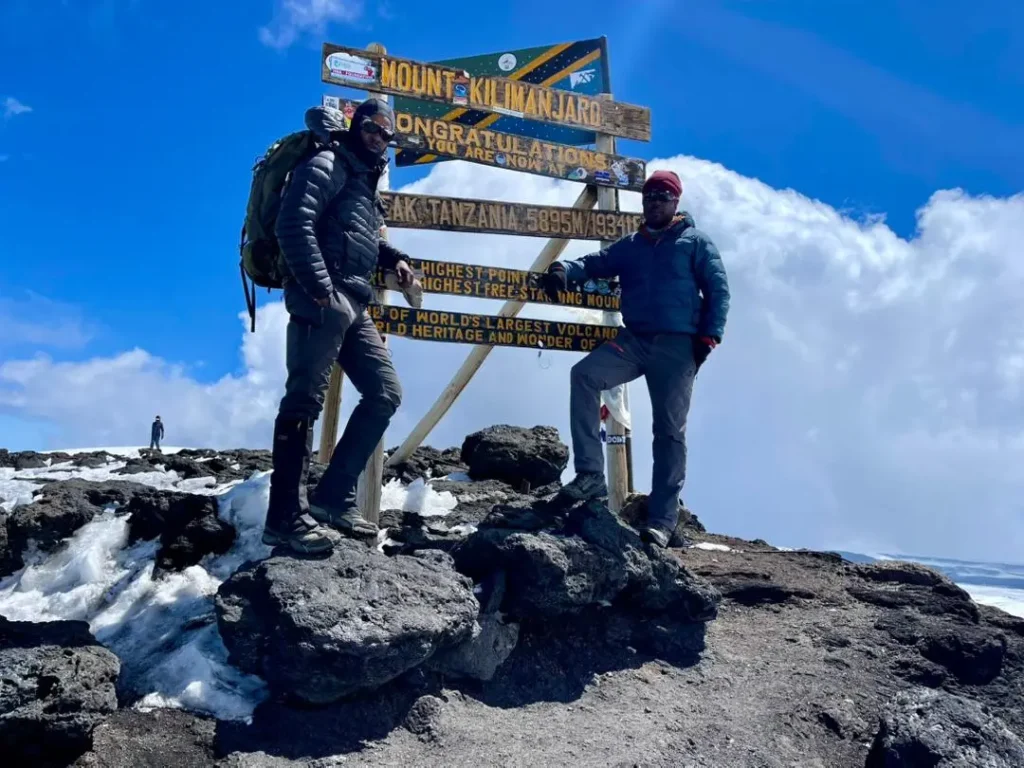
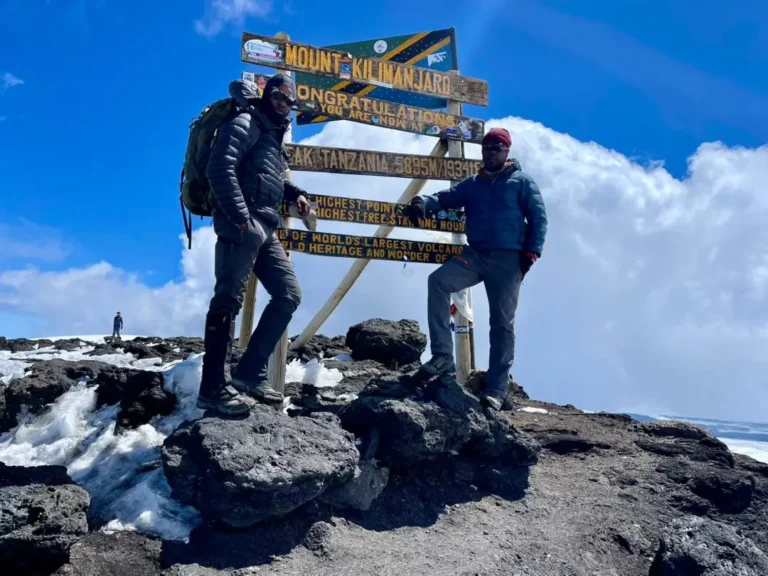
Uhuru Peak, the highest point in Africa
3
volcanic cones: Kibo, Mawenzi and Shira
5
climate zones from farmland to glacier
1987
year Kilimanjaro National Park became a UNESCO World Heritage Site
about the mountain
Five climates, one summit
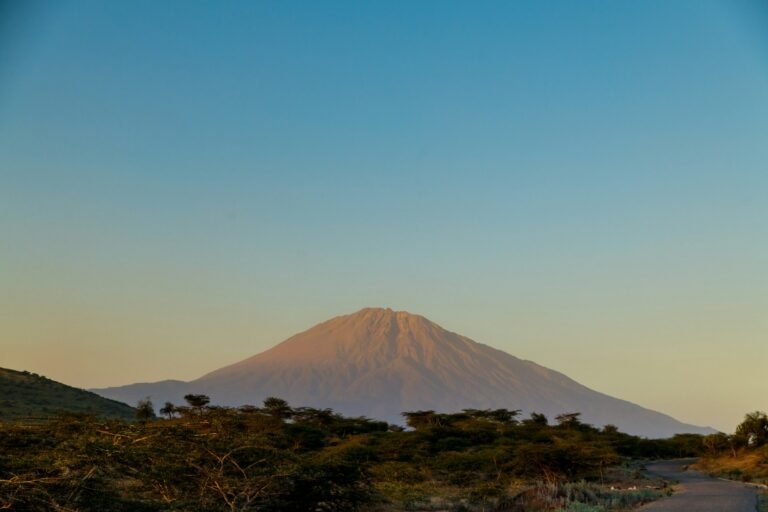
Kilimanjaro is the highest mountain in Africa and the tallest free-standing mountain in the world. It rises from farmland at around 900 metres to Uhuru Peak at 5,895 metres, on the crater rim of Kibo, the highest of its three volcanic cones.
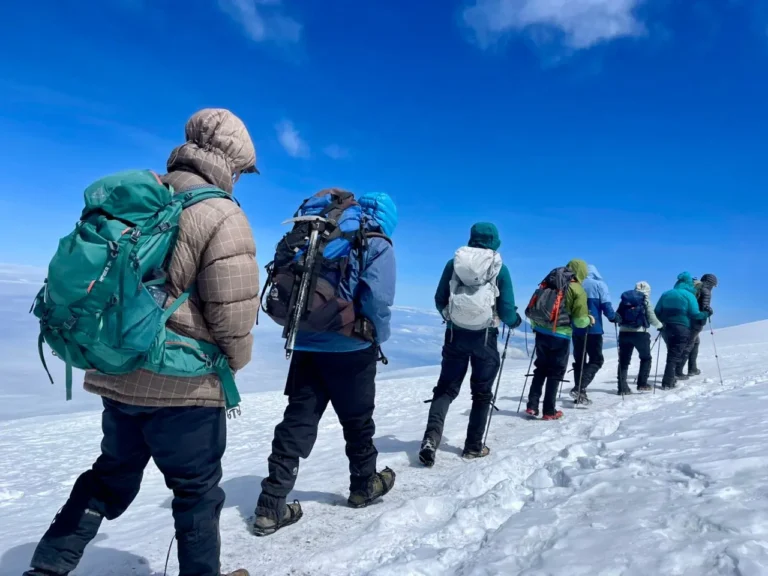
No ropes or technical skills are needed. Walking through the zones feels like crossing the planet in a week: coffee and banana farms, then rainforest with colobus monkeys, giant heather and lobelias on the moorland, bare alpine desert and, finally, ice and glaciers near the top.
What the mountain does demand is time to acclimatise, steady walking and a good team around you. We help you choose the route and number of days that give you the best chance of enjoying the climb and standing on the summit.
on your schedule
Private climbs start any day
Every Kilimanjaro climb we run can be private. You choose the start date, and the climb is planned around you, your companions and your pace. There is no need to wait for a fixed group departure or fit in with strangers.
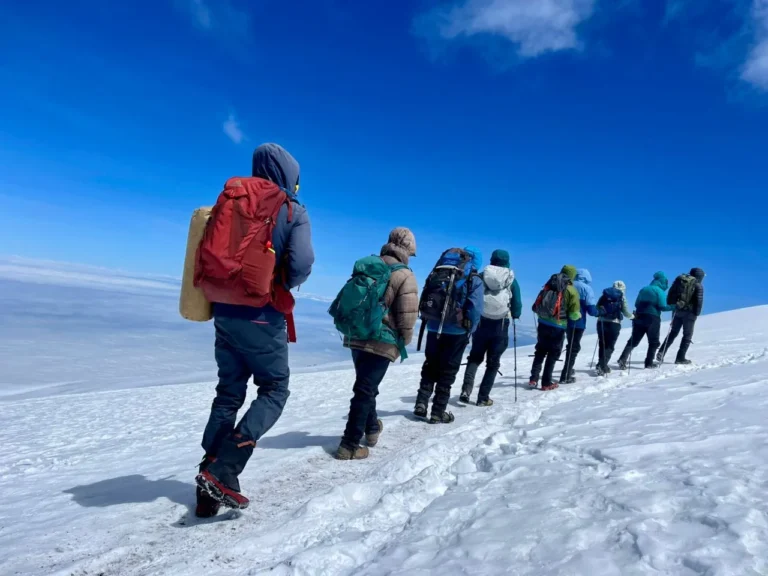
Your guide team stays with you from the gate to the summit and back down. They set a slow, steady pace, check on you every day and make the call on the mountain if anyone needs to turn back for their safety.
Start on any day of the year that suits your travel plans
Your own guides, cook and porters for your group only
A hotel night before and after the climb, with a briefing and gear check
Route and number of days chosen to suit your fitness and experience
Best: dry and clear Good Rainy: possible, but wetter
choose your path
The routes we climb
Each route has its own scenery and pace. We will help you choose the one that suits you.
Machame route · 6 to 7 days days
A popular and scenic route from the southern side, climbing through rainforest to the Shira Plateau, Lava Tower and the Barranco Wall. Its climb-high, sleep-low profile helps acclimatisation, especially over seven days.
Lemosho route · 6 to 8 days days
Starts in the far west, with quiet forest and a long crossing of the Shira Plateau before joining the southern circuit. Fewer people in the first days, fine views and, over eight days, a very good acclimatisation profile.
Marangu route · 5 to 6 days days
The only route with shared huts instead of tents, climbing from the south-east via Mandara, Horombo and Kibo huts. The path is gentle, but ascent and descent follow the same trail. We recommend six days over five.
Rongai route · 6 to 7 days days
The only route from the north, near the Kenyan border. This side of the mountain is drier, so it is a good choice in the rainier months. It is quieter than the southern routes, and you descend on the other side of the mountain.
Northern Circuit with Crater Camp route · 10 days days
Our longest climb. It starts from Londorossi Gate in the west, circles the quiet northern slopes and includes a night at Crater Camp inside Kibo's summit crater. The extra days give excellent acclimatisation.
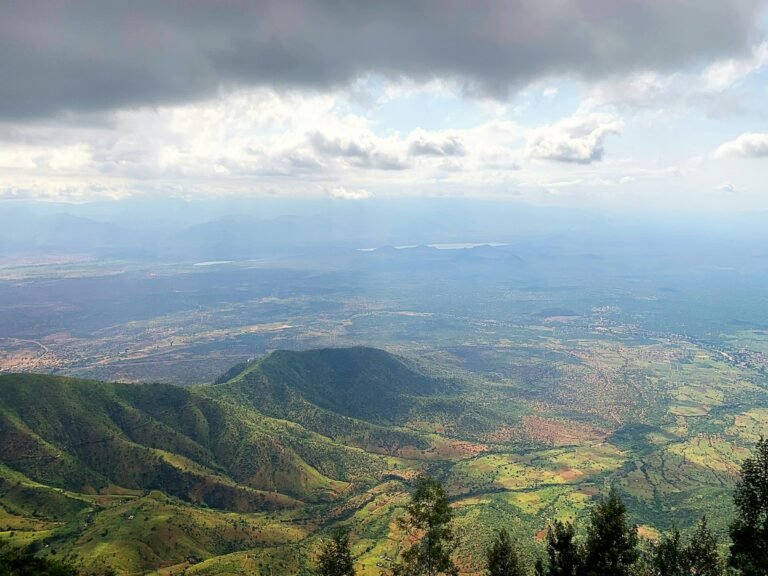
The lower slopes are farmed by Chagga families, with coffee, bananas and maize around small villages. You pass through on the drive to the park gate.
Montane rainforest
1,800 to 2,800 m
Tall, damp forest hung with moss, where you may hear or see blue monkeys and black-and-white colobus. It is warm and humid, and the trail can be muddy.
Heath and moorland
2,800 to 4,000 m
The forest opens into giant heather, then moorland dotted with giant groundsels and lobelias. Views widen, and nights at camp become cold.
Alpine desert
4,000 to 5,000 m
A dry, rocky landscape with little but lichens and moss. Days can be hot in the sun and nights well below freezing. This is where acclimatisation matters most.
Arctic summit
5,000 to 5,895 m
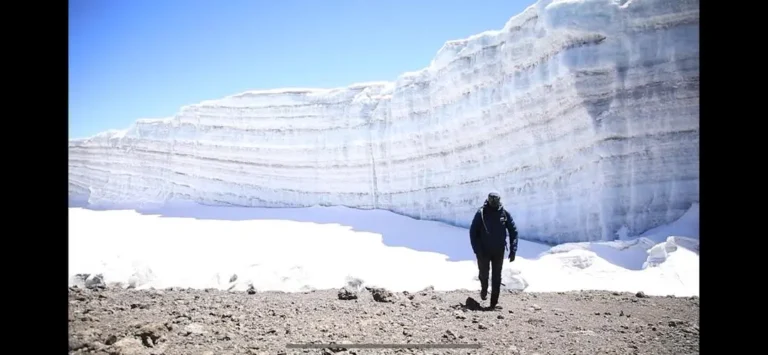
Scree, ice and glaciers around the crater rim. You reach this zone on summit night, walking by headtorch to arrive at Stella Point or Uhuru Peak around sunrise.
before you go
Preparing for the climb
Train your legs and lungs
Kilimanjaro is a long walk rather than a technical climb. In the months before, walk regularly on hills with a loaded daypack, building up to several hours at a time. Wear the boots you will climb in so they are properly broken in.
Respect the altitude
Go slowly, drink plenty of water and eat even when you are not hungry. Tell your guide at once about headache, nausea, dizziness or unusual breathlessness. Talk to your doctor before the trip about altitude medicine and any existing health conditions.
Pack in layers
You will need moisture-wicking base layers, a fleece, a warm down jacket and a waterproof, windproof jacket and trousers. Add a warm hat, a sun hat, thin and insulated gloves, and good wool or synthetic socks. Gaiters help on muddy or dusty trails.
Small things that matter
Bring a headtorch with spare batteries, UV sunglasses, high-SPF sunscreen and lip balm, a water bottle or bladder for 2 to 3 litres, trekking poles, snacks, a small first aid kit and dry bags to keep clothes and electronics dry.
Get the right insurance
Choose travel insurance that covers trekking to 6,000 metres and emergency evacuation, and check the policy wording before you book. Bring the policy number and emergency phone number with you on the climb.
More days on the mountain means better acclimatisation. We usually suggest seven or eight days on Machame or Lemosho for first-time climbers. Shorter climbs are possible, but they are harder on the body.
It depends on your time, fitness, the season and whether you prefer huts or tents. Machame and Lemosho are scenic all-rounders, Marangu has huts, Rongai is drier in the wet months and the Crater route is the longest. We will recommend one when you tell us your plans.
No technical experience is needed on any of our routes. Good general fitness, some experience of long hill walks and a positive attitude matter far more.
Your safety comes first. If your guide decides you should not go higher, a member of the team walks down with you to a lower camp or to the gate while the rest of your group continues.
Nights at the high camps are often below freezing, and summit night can feel much colder with wind. With the right layers, a warm sleeping bag and a hot drink at camp, you will be comfortable.