Safari
Kilimanjaro Airport, Arusha, Ndutu, Central Serengeti, Ngorongoro Crater, Arusha
your journey
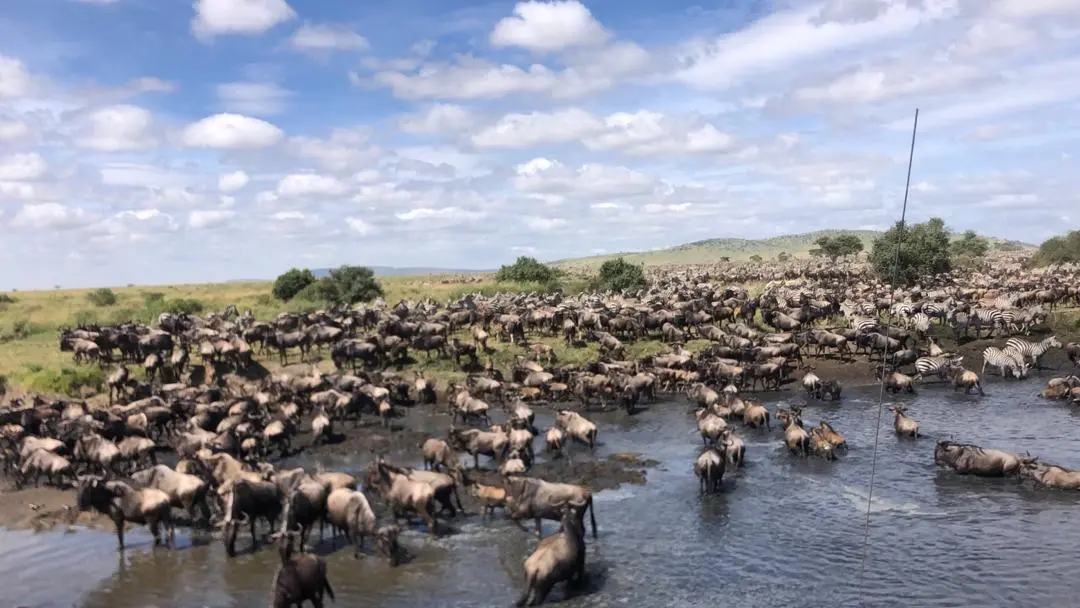
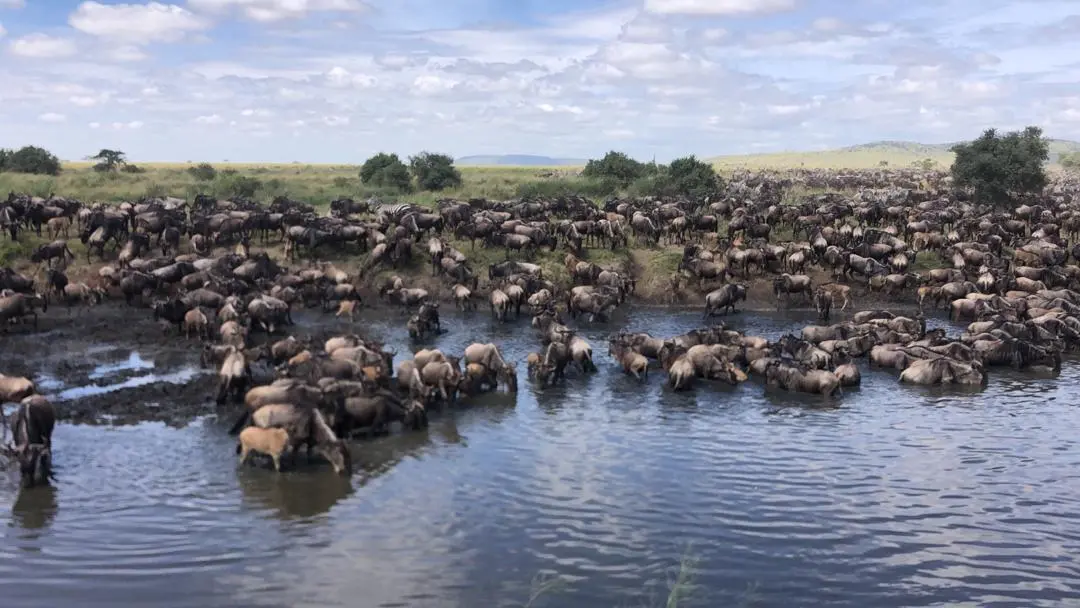
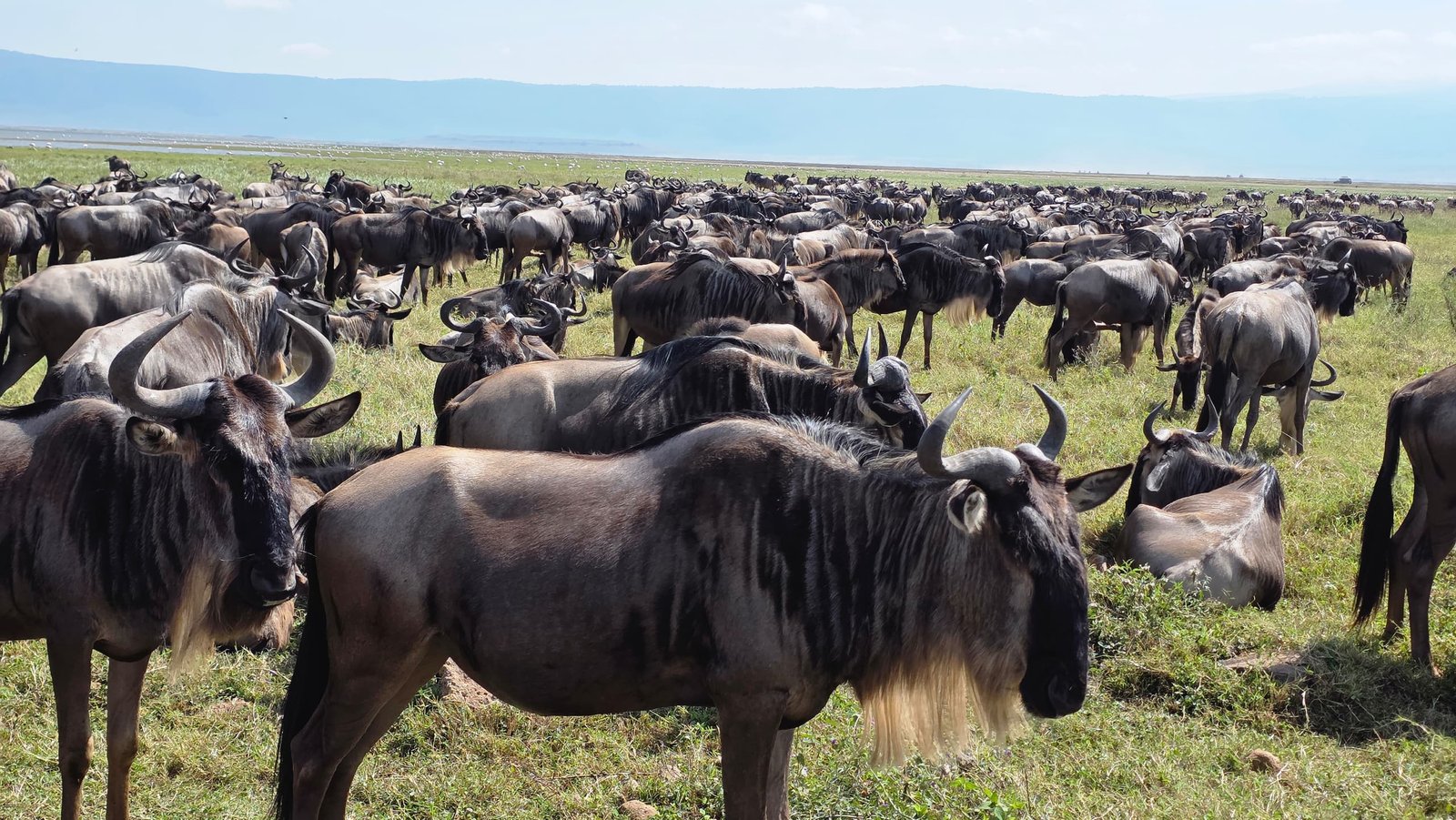
Every year, from about late January to March, the wildebeest of the Great Migration gather on the short-grass plains around Lake Ndutu to give birth. This safari puts you in the middle of it, with two nights at Ndutu, two in the central Serengeti and a final afternoon in the Ngorongoro Crater.
Calving season is about more than numbers. The plains are green after the short rains, the herds are spread across open country, and the newborns attract lion, cheetah and hyena, so predator action is often intense. It is also quieter than the dry-season peak in the north.
The exact timing depends on the rains, which vary from year to year, so talk to your specialist before you fix your dates. After a last night near the crater rim, the final day is a drive back to Arusha.
Wildlife photographers, travellers who want predator action, and anyone planning a migration safari outside the busy July to October season.
Parks visited
Serengeti National Park · Ngorongoro Crater
what makes it special
day by day
A Honesha representative meets you in the arrivals hall at Kilimanjaro International Airport and drives you to your hotel in Arusha. Once you have checked in, the afternoon is free to rest after your journey. In the evening your guide comes to the hotel to brief you on the safari: the route to Ndutu, what the calving season looks like on the ground, what to keep in your day bag and what time you will set off.
Overnight: Hotel in Arusha
After breakfast you leave Arusha for Lake Ndutu, on the edge of the southern Serengeti plains inside the Ngorongoro Conservation Area. The drive takes five to six hours, and the last stretch is on rough dirt tracks across open grassland. You arrive for lunch, then spend the afternoon among the herds of wildebeest and zebra that gather on these short-grass plains in the wet season. Dinner and the night are at your camp.
Overnight: Tented camp or lodge in the Ndutu area · Meals: Breakfast, lunch & dinner
A full day around Lake Ndutu and the neighbouring plains, in the middle of the calving grounds. From late January to March hundreds of thousands of wildebeest calves are born here within a few weeks, and you may watch a newborn find its feet within minutes of birth. The easy prey draws lion, cheetah and spotted hyena, so this is one of the best times of year for predator sightings. Your guide will follow the herds wherever the grazing has drawn them.
Overnight: Tented camp or lodge in the Ndutu area · Meals: Breakfast, lunch & dinner
After breakfast you drive north across the plains to Seronera in the central Serengeti, game viewing as you go. Elephant, giraffe and buffalo are common along the way, and the granite kopjes are worth checking for resting lions. You arrive at your camp for lunch, then head out in the afternoon to explore the Seronera valley, known for its lion prides and for leopards resting in the trees along the river.
Overnight: Tented camp or lodge in the central Serengeti · Meals: Breakfast, lunch & dinner
A full day in the central Serengeti. The Seronera River keeps water in the area all year, so resident wildlife stays close: lion, leopard and cheetah, as well as elephant, giraffe, buffalo, topi and hartebeest. You can start at dawn and return for breakfast, or stay out from morning to late afternoon with a picnic lunch. Your guide shapes the day around what you most want to see.
Overnight: Tented camp or lodge in the central Serengeti · Meals: Breakfast, lunch & dinner
After breakfast you drive from Seronera to the Ngorongoro Conservation Area, a journey of three to four hours, arriving for lunch. In the afternoon you descend into the crater, home to about 25,000 large animals, including black rhino, lion, elephant, buffalo and hippo. You climb back out in the late afternoon for dinner and your last night on safari near the crater rim.
Overnight: Lodge on or near the Ngorongoro Crater rim · Meals: Breakfast, lunch & dinner
After a relaxed breakfast with a view over the highlands, you drive back to Arusha, about three to four hours, with a stop for lunch on the way. If you would like to shop for crafts, the stalls at Mto wa Mbu are a good place to break the journey. You reach Arusha in the afternoon, where we take you to your hotel or on to Kilimanjaro International Airport for an evening flight.
Overnight: Safari ends in Arusha or at the airport · Meals: Breakfast & lunch
the price
Price on request
before you ask
You can go on safari here all year. The dry season from June to October is the easiest time for game viewing, because animals gather near rivers and the grass is short, but it is also the busiest. From November to May the parks are green, quieter and excellent for birds, with short rains around November and the long rains in April and May. Where the wildebeest migration is depends on the month, so tell us your dates and we will plan the route around them.
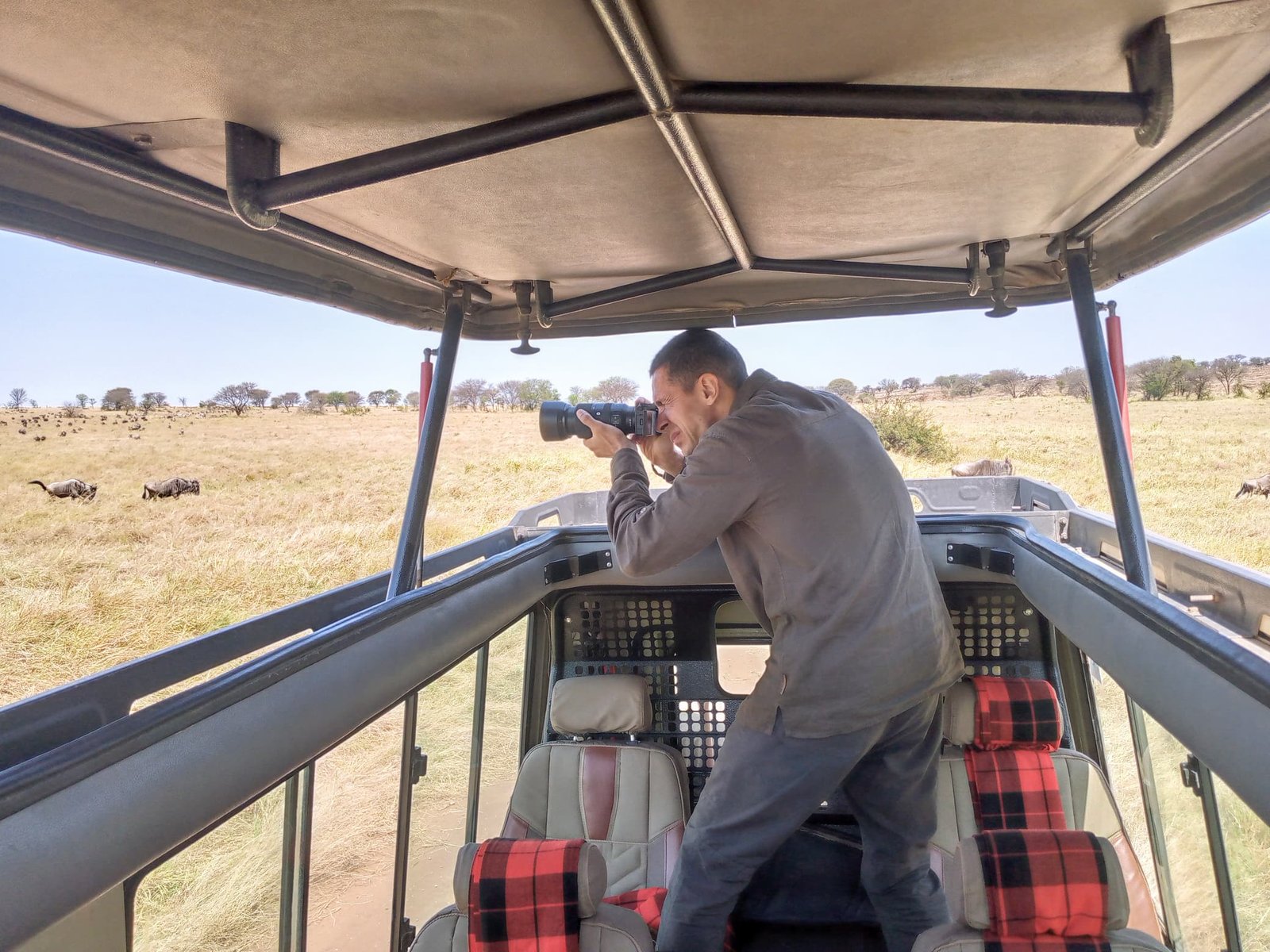
Our safaris use 4x4 safari vehicles with a pop-up roof, so you can stand up for game viewing and photography. On a private safari the vehicle and driver-guide are yours alone for the whole trip.
Each tour page lists exactly what is included and excluded. On our northern circuit safaris, such as the 7-day Lake Manyara, Serengeti, Ngorongoro and Tarangire trip, national park and Ngorongoro Conservation Area entrance fees are included. If you are not sure, ask your specialist before you book.
Yes. Every itinerary on this site is a starting point. We can add or remove days, swap parks, or change the accommodation to suit your budget, and your specialist will send you a revised plan and quote.
Bring light, neutral-coloured clothes, a warm layer for early mornings and for the Ngorongoro Crater rim, which is cold at night, comfortable shoes, a wide-brimmed hat, sunglasses, sunscreen and insect repellent. Binoculars and a camera with spare batteries and memory cards make a big difference. Soft bags pack into safari vehicles more easily than hard suitcases.
Most visitors need a visa. Apply online in good time through the official Tanzania Immigration website at eservices.immigration.go.tz, and do not use unofficial agents. Your passport should be valid for at least six months after arrival. Requirements differ by nationality, so check the official site for your country.
Ndutu sits on the border between the Ngorongoro Conservation Area and the southern Serengeti. Most camps are on the Ngorongoro side, but the wildebeest cross back and forth freely, and your guide can drive onto the Serengeti plains when the herds are there.
The migration follows the rain, so in a dry or late year the herds may be spread further across the southern plains. Guides in the area share news of where the herds are grazing, and yours will plan each day around it. Your specialist will also advise on the best dates when you book.
Enquire
Every AAA Express Adventure trip can be changed to suit you: the pace, the lodges, the number of days. Tell us your dates and who is travelling, and our team in Arusha will come back to you with a plan and a price.
Your journey
Price on request
7 days · 6 nights
also consider
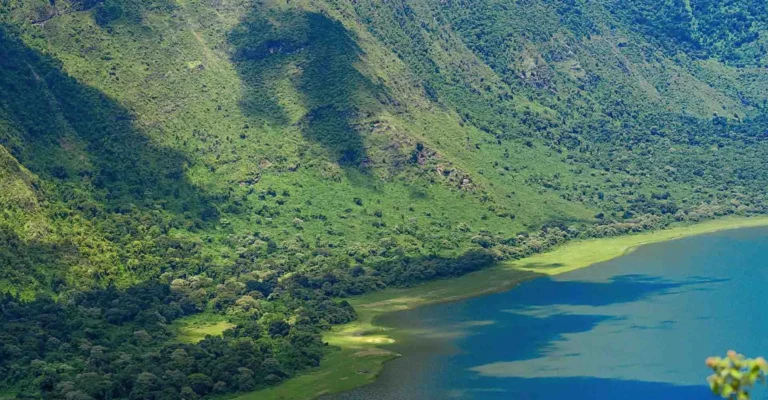
7 days · 6 nights
Tarangire National Park · Serengeti National Park · Ngorongoro Crater · Empakai & Olmoti Craters
Price on request
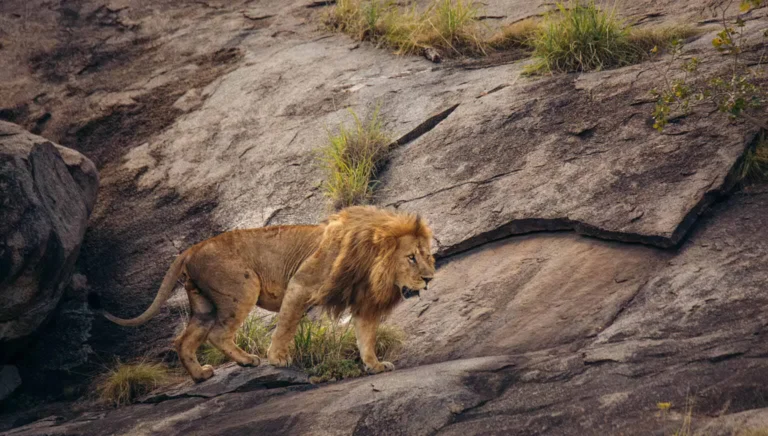
8 days · 7 nights
Tarangire National Park · Ngorongoro Crater · Serengeti National Park · Lake Manyara National Park
Price on request
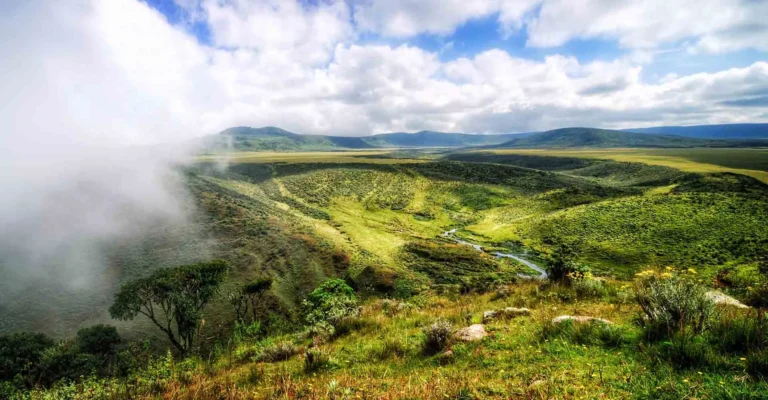
10 days · 9 nights
Tarangire National Park · Ngorongoro Crater · Serengeti National Park · Lake Natron & Ol Doinyo Lengai · Empakai & Olmoti Craters
Price on request
karibu
Call us on +255 784 281316, email sales@aaaexpressadventure.com or send an enquiry. Our team in Arusha will get back to you.
Price on request
Plan your trip
Enquiry about: 7-Day Ndutu Calving Season Safari
Asante sana
We'll reply within 24 hours. Please check your inbox (and spam folder) for our confirmation email.
Need an answer sooner? Chat with us on WhatsApp