Kilimanjaro & treks
Kilimanjaro Airport, Londorossi Gate, Mti Mkubwa, Shira 1, Shira 2, Barranco, Karanga, Barafu, Uhuru Peak, Mweka Gate
your journey
Lemosho is our favourite way up Kilimanjaro. It starts on the quiet western side of the mountain, a long drive from Moshi to Londorossi Gate, and climbs through untouched rainforest onto the Shira Plateau. From there it joins the southern circuit beneath Kibo's glaciers, past Lava Tower and the Barranco Wall, and reaches the summit from Barafu Camp. Fewer climbers start here, so the first days feel remote.
Eight days on the mountain is the version we recommend. The ascent is slow and steady, you cross the Shira Plateau over two days, and most afternoons include a short walk higher before you sleep lower. That extra time is what gives Lemosho its reputation for good acclimatisation and a comfortable summit night.
Shorter programmes of six and seven days are possible, starting with a vehicle drop-off high on the Shira Plateau, but they give your body less time to adjust. We meet you at Kilimanjaro International Airport, and you spend a night at Weru Weru River Lodge before and after the climb.
Fit walkers who want the most gradual, scenic route and have the time for it. It suits first-time high-altitude trekkers well, because the extra days on the Shira Plateau help your body adapt. No climbing skills are needed, but expect long days, cold nights and a very early summit start.
Parks visited
Mount Kilimanjaro
what makes it special
day by day
A Honesha representative meets you in the arrivals hall at Kilimanjaro International Airport (JRO) and drives you to your hotel near Moshi, Weru Weru River Lodge. Check-in starts at 1 pm, so there is time to rest and unwind after the flight. In the evening your guide joins you for a briefing on the route, the daily routine and altitude, and checks your equipment so that anything missing can be sorted before you set off in the morning.
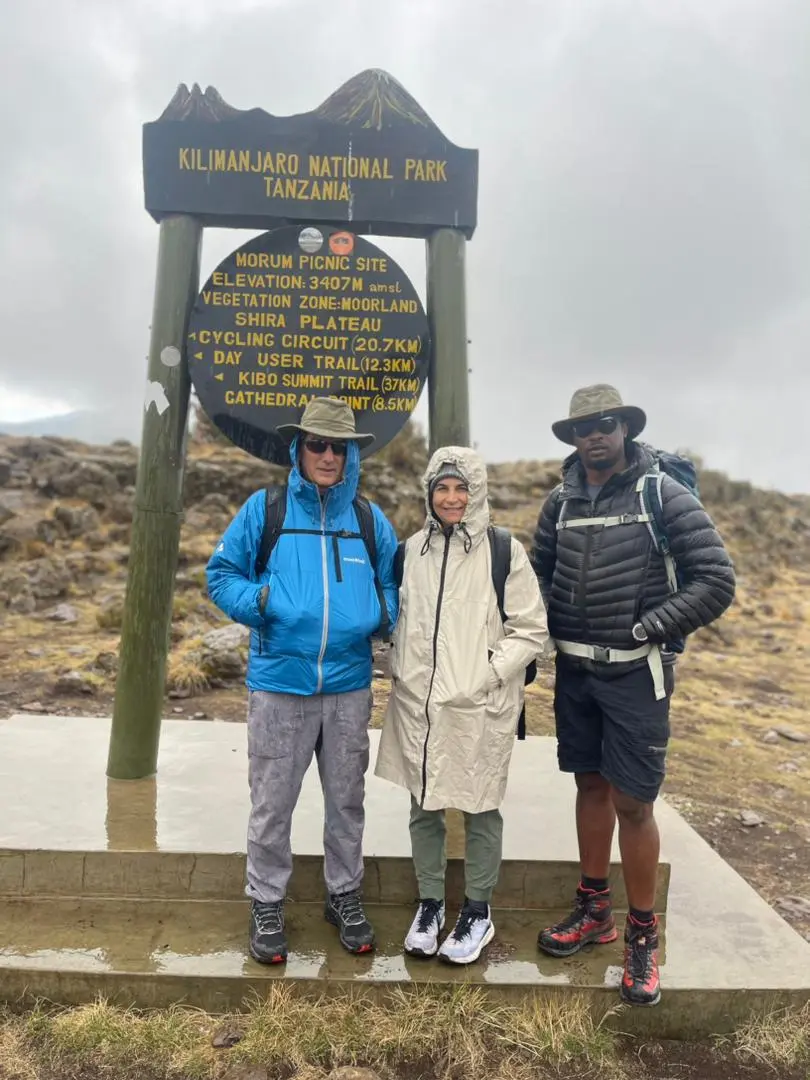
Your guide and crew collect you after breakfast for the drive of three to four hours to Londorossi Gate (2,200 m) on the western side of the mountain. Once permits are issued and you have signed in with the rescue service, you walk through thick rainforest, so keep a rain jacket handy, to Mti Mkubwa Camp (2,780 m). After lunch a short walk of about an hour gains 300 metres towards Shira 1 before you come back down for dinner. About 6 km, 3 to 5 hours.
Meals: Breakfast, lunch & dinner
The trail climbs steadily out of the forest into giant heather and moorland, and at about 3,500 metres the Shira Plateau and Kibo come into view for the first time. You cross the Shira Ridge and drop gently to Shira 1 Camp (3,505 m) in time for lunch. The afternoon is free to rest or wander near camp. From today, drink three to four litres of water, skip alcohol, and tell your guide about any headache. About 5 km, 5 to 6 hours.
Meals: Breakfast, lunch & dinner
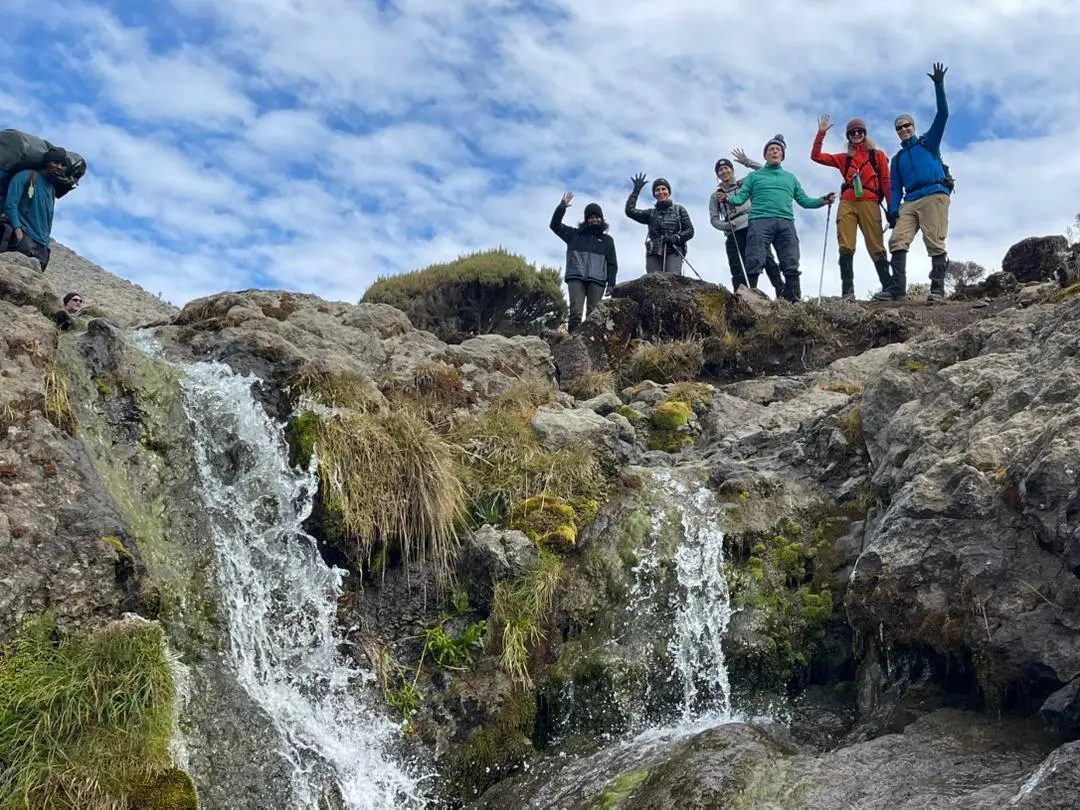
An easy day across one of the highest plateaus in the world, with wide views and unusual alpine plants along the way. Shira 2 Camp sits on moorland by a stream and is the best place on the route to see Mount Meru when the sky is clear. After lunch and a rest, you walk about 2 km towards Lava Tower, gaining around 300 metres, then return to camp for dinner. About 7 km, 3 to 4 hours.
Meals: Breakfast, lunch & dinner
Today follows the golden rule of climbing high and sleeping low. You climb through alpine desert to the volcanic plug of Lava Tower (4,630 m) and eat lunch there, giving your body time at altitude. If anyone is struggling, your guide can take the lower porters' path, which tops out around 4,400 m. You then descend through giant groundsels into the Barranco Valley and camp beneath the Barranco Wall (3,960 m). About 12 km, 6 to 8 hours.
Meals: Breakfast, lunch & dinner
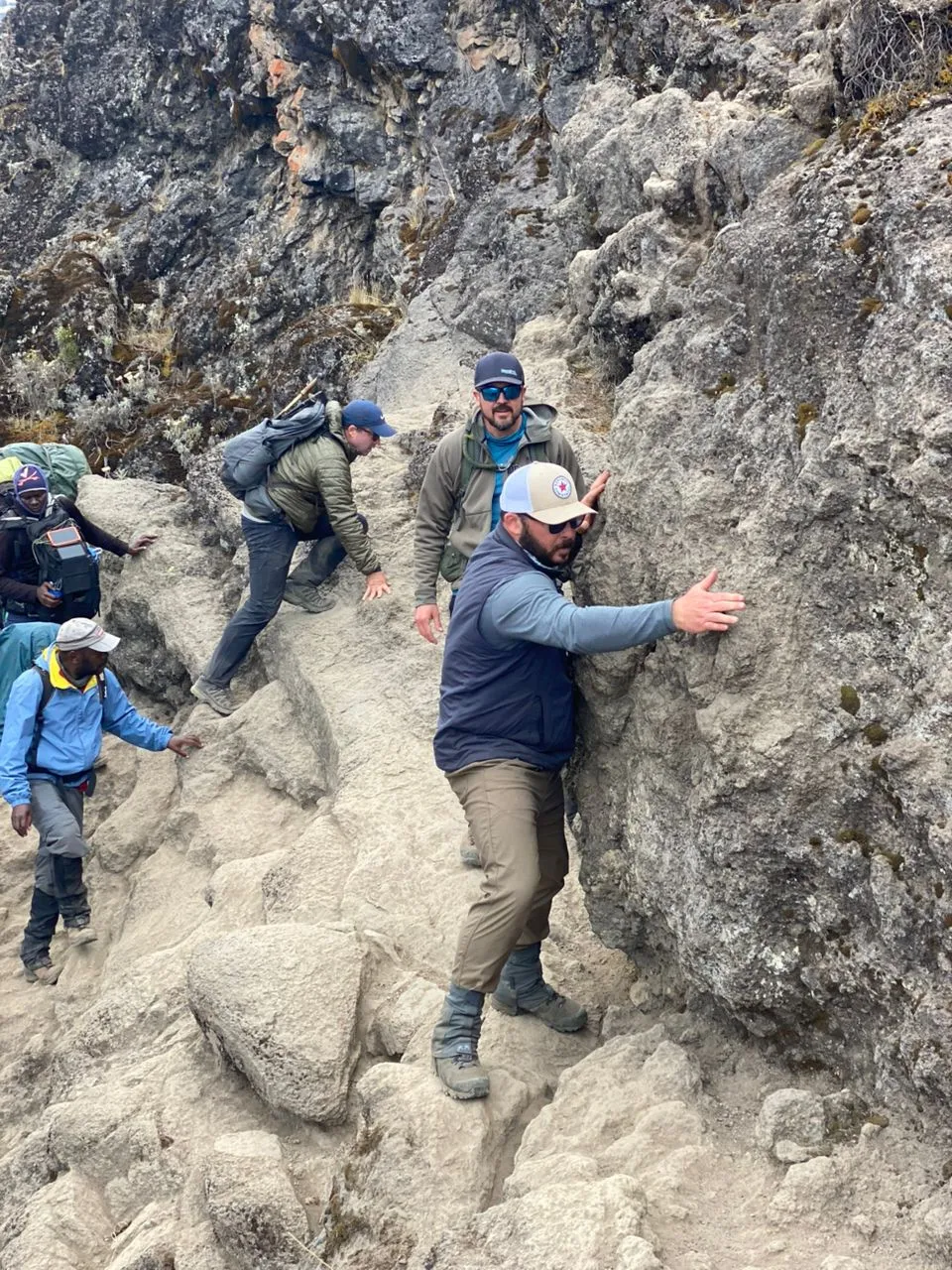
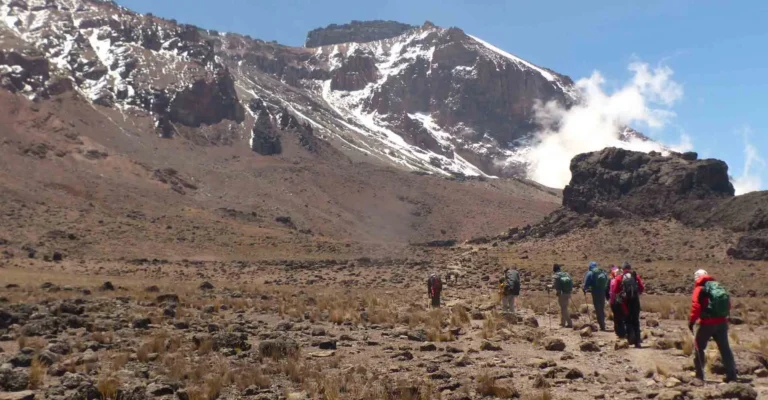
An early start gets you onto the Barranco Wall before other groups. It looks daunting from camp, but it is a scramble with good handholds rather than a climb, and takes about an hour. From the top, Kibo and its glaciers fill the sky. The trail then rolls up and down across valleys to Karanga Camp (4,035 m) for lunch. Later you walk about 2.5 km towards Barafu, gaining some 200 metres, then return to sleep. About 5 km, 4 to 5 hours.
Meals: Breakfast, lunch & dinner
A shorter morning walk over stony alpine desert brings you to Barafu Camp (4,640 m), your base for the summit. The crew will have your tent up and a hot meal ready. After a rest you take a last acclimatisation walk towards Kosovo Camp at about 4,800 m and come back down. Then it is an early dinner, a final briefing and as much sleep as you can manage before a wake-up call around 11 pm. About 6 km, 4 to 5 hours.
Meals: Breakfast, lunch & dinner
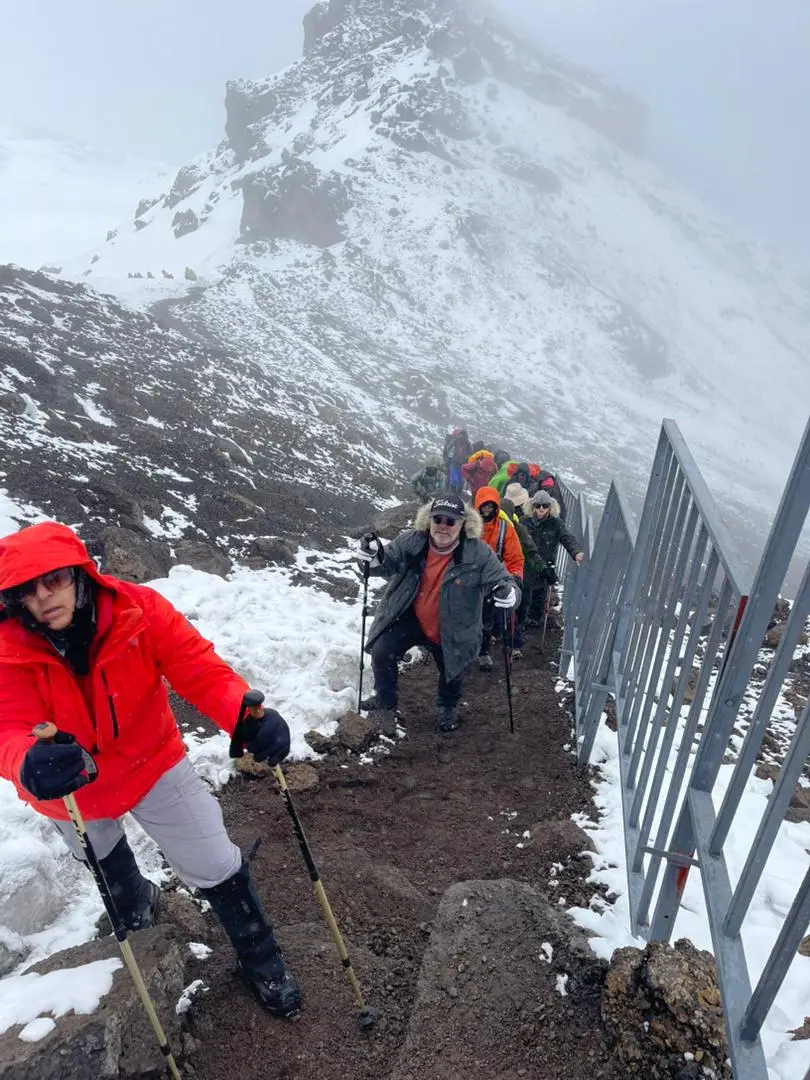
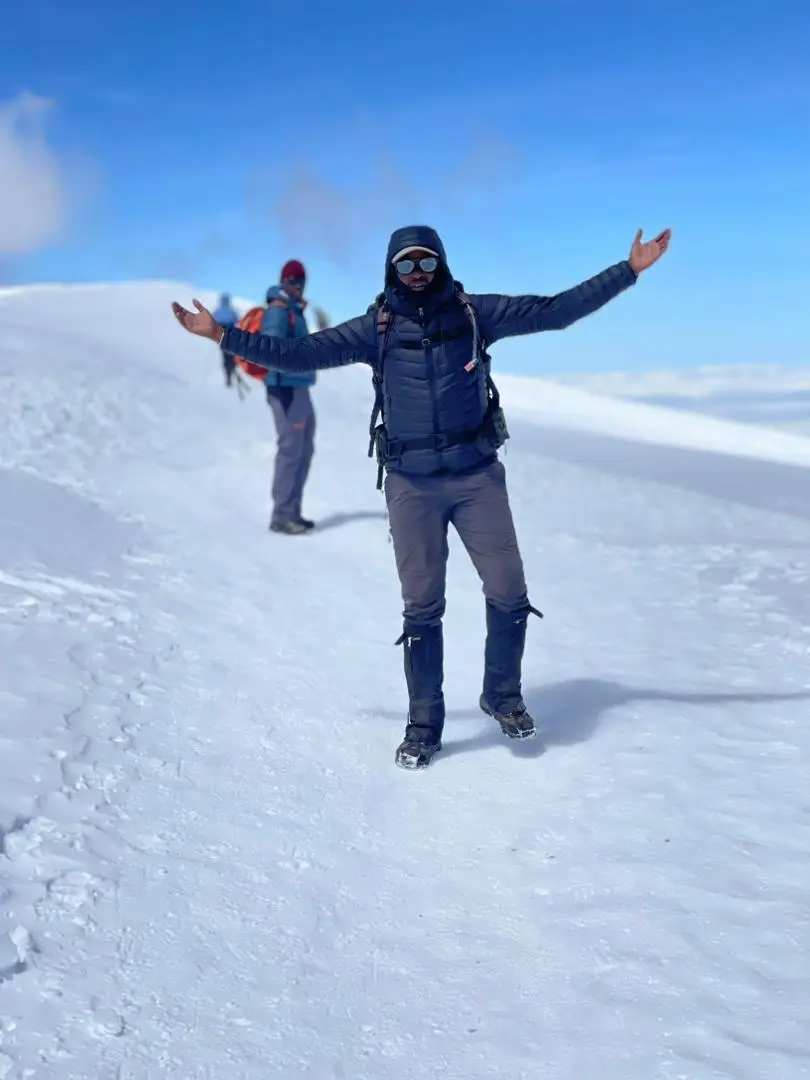
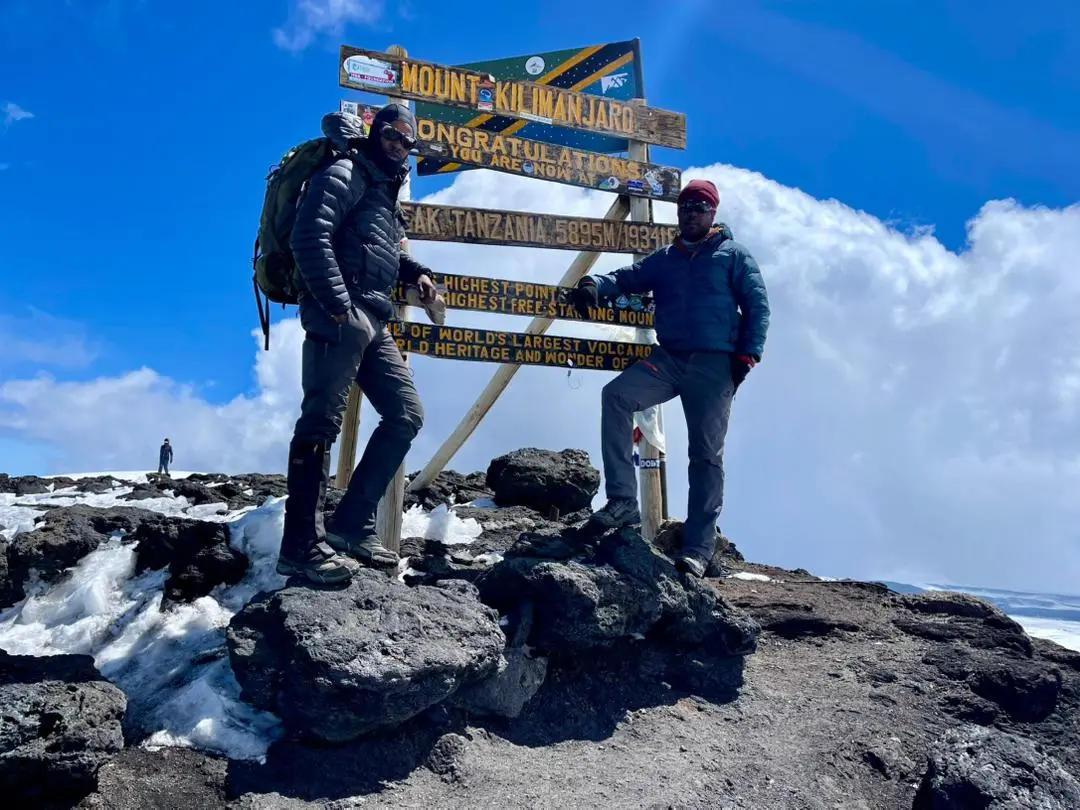
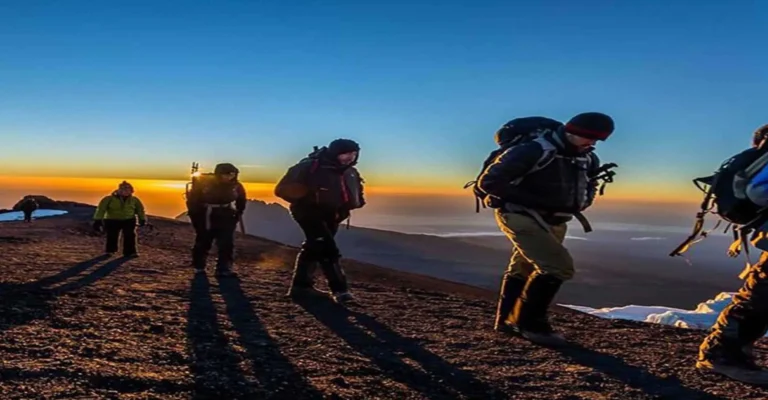
You leave Barafu around midnight and climb slowly by headtorch towards Stella Point on the crater rim, reaching Uhuru Peak (5,895 m) around sunrise. The path is not technical, but the thin air makes every step count, and your guides check each climber closely. If you have energy left, you can walk a short way towards the nearest glacier. You return to Barafu for a rest and a meal, then continue down to Millennium Camp (3,820 m). About 15 km, 8 to 12 hours.
Meals: Breakfast, lunch & dinner
Waking lower down, you will feel the difference in the air. After breakfast you walk down through heath and then rainforest to Mweka Gate (1,650 m). Take the descent carefully, because tired legs and loose ground cause most slips. At the gate you say goodbye to your crew and collect your summit certificate, a good moment to celebrate together. Then it is a short drive back to Weru Weru River Lodge for a hot shower and a proper bed. About 12 km, 4 to 5 hours.
Meals: Breakfast & lunch
Enjoy a slow breakfast and a rest before your transfer to Kilimanjaro International Airport. Hotel check-out is at 11 am. If your flight leaves in the evening, ask us about a late check-out or an extra night at the lodge, which can be arranged for an additional fee. Many climbers add a safari, a day at Materuni Waterfall or a few days in Zanzibar after the mountain, and your specialist can plan the connection for you.
Overnight: Departure, no overnight · Meals: Breakfast
the price
Price on request
before you ask
Kilimanjaro needs no ropes or technical climbing skills, but it is a serious high-altitude trek. You walk for several hours a day on uneven ground, nights are cold, and summit night starts around midnight in thin air. Walking regularly on hills before you come, with a loaded daypack, is the best preparation.
We choose routes and itineraries with enough days on the mountain, and we follow the principle of climbing high and sleeping low. On the Machame route, for example, you take short walks above camp at Shira, Lava Tower, Karanga and Barafu before returning to sleep lower. Walk slowly, drink plenty of water and tell your guide straight away about any headache, nausea or dizziness.
Many climbers use acetazolamide (Diamox) to help with acclimatisation, but it is a prescription medicine and not right for everyone. Talk to your own doctor before the trip, especially about allergies and side effects, and tell your guide if you are taking it.
Kilimanjaro can be climbed all year, but the driest months are mid-January to mid-March and late June to October, which are also the busiest. The long rains from late March to early June bring wet trails and cloud, and we generally advise against climbing then unless you are experienced in those conditions. November brings short rains, often in the afternoon.
On our Kilimanjaro packages with hotel nights, you stay at our partner hotel, Weru Weru River Lodge near Moshi, or a similar hotel, on the night before and the night after the climb. Your guide holds the pre-climb briefing and gear check there.
You need good broken-in hiking boots, warm layers including a down jacket, waterproof jacket and trousers, gloves, a warm hat, a headtorch and a daypack. Tents, mats and all group and cooking equipment are provided. Your specialist will confirm what can be rented locally, including sleeping bags, and send you a full packing list.
Yes. We also run six-day and seven-day Lemosho climbs. Both begin with a drive up to a high drop-off point on the Shira Plateau instead of the rainforest walk from Londorossi Gate. The seven-day climb starts near Shira 1 and the six-day climb goes straight to Shira 2. They save time and cost, but your body has less time to adjust, so we recommend the eight-day climb whenever your plans allow.
Londorossi Gate is on the far western side of Kilimanjaro, about three to four hours by road from Moshi. The drive passes farms and forest villages, and it is the reason the first day on Lemosho feels so quiet: most climbers start from gates on the southern side.
Enquire
Every AAA Express Adventure trip can be changed to suit you: the pace, the lodges, the number of days. Tell us your dates and who is travelling, and our team in Arusha will come back to you with a plan and a price.
Your journey
Price on request
10 days · 9 nights
also consider
17 days · 16 nights
Arusha National Park · Tarangire National Park · Ngorongoro Crater · Lake Natron & Ol Doinyo Lengai · Mount Kilimanjaro · Mount Meru
Price on request
6 days · 5 nights
Mount Kilimanjaro
Price on request
6 days · 5 nights
Mount Kilimanjaro
Price on request
karibu
Call us on +255 784 281316, email sales@aaaexpressadventure.com or send an enquiry. Our team in Arusha will get back to you.
Price on request
Plan your trip
Enquiry about: Kilimanjaro Lemosho Route: 8-Day Climb with 2 Hotel Nights
Asante sana
We'll reply within 24 hours. Please check your inbox (and spam folder) for our confirmation email.
Need an answer sooner? Chat with us on WhatsApp